Safety & Security Response
Explosion-Proof Infrastructure
A layered approach to hazardous-area protection using certified enclosures, intrinsically safe energy limitation, and environmental sealing for long-life reliability.

1. The Containment Philosophy
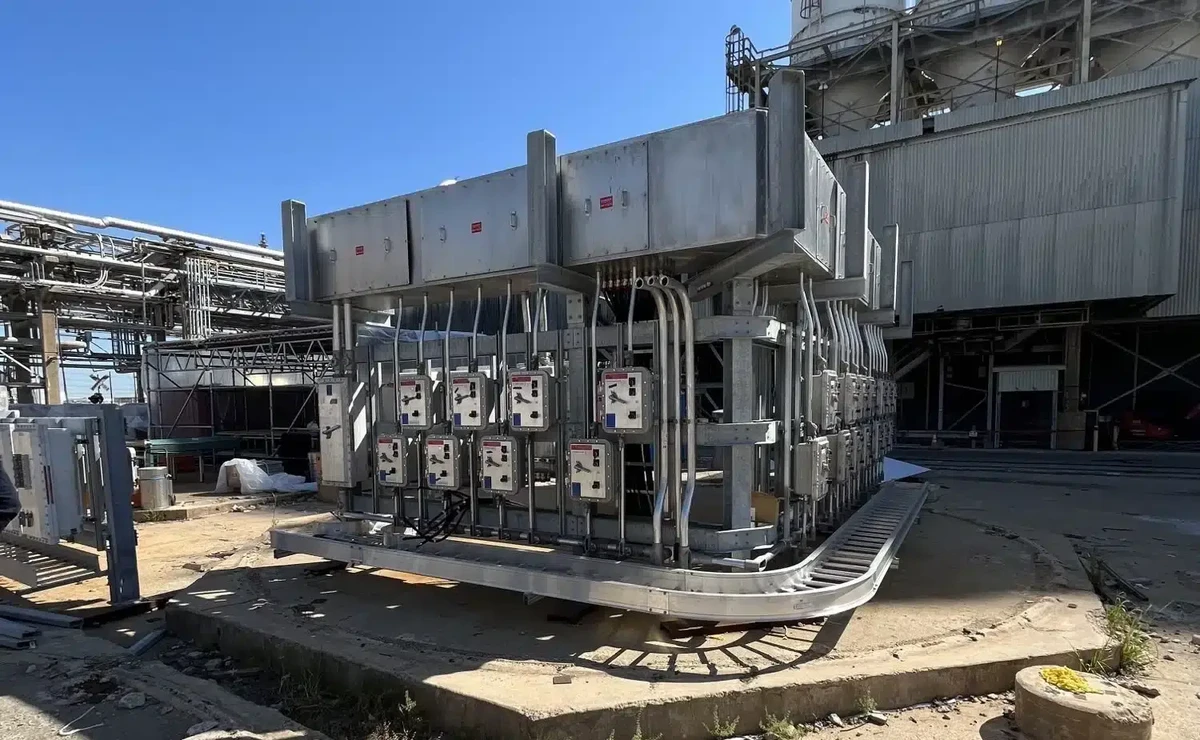
Standard electrical boxes are vulnerable to impact and environmental degradation. We utilize devices like Eaton Crouse-Hinds JB10 junction boxes, which are engineered for the most extreme industrial environments.
- Secondary Ignition Prevention: In a vehicle collision or rollover, fuel vapors often escape. A single spark from a standard GPS tracker or sensor wire can cause an explosion. Our JB10 enclosures are designed to contain any internal spark, preventing it from igniting the external atmosphere.
- Heavy-Duty Durability: These enclosures are sand-cast from copper-free aluminum or stainless steel, making them resistant to the vibration, dust, and extreme temperature fluctuations common on the highways.
2. Intrinsically Safe (IS) Circuitry
We do not just put regular tech in a strong box; we redesign the power flow.
- Energy Limitation: Using Eaton MTL safety barriers, we limit the electrical energy sent to our Precision Fuel Probes and Hatch Sensors.
- Thermal Protection: Even if a wire is crushed or short-circuited during an accident, the energy level remains so low that it cannot generate enough heat to reach the ignition temperature of petroleum or gas vapors.
3. Environmental Sealing (IP66/67)
Some geography involves deep river crossings, mud, and intense dust storms.
- Corrosion Resistance: Our Eaton-based infrastructure is sealed against the elements. This prevents signal drift caused by moisture or corrosion on the electrical contacts, ensuring your 24/7 Command Center receives accurate data for years, not months.
- Hazardous Zone Certification: Our installations meet ATEX and IECEx standards, the global benchmarks for equipment used in explosive atmospheres. This makes your fleet eligible for high-value contracts with international oil majors and NGOs.